Many parents wonder whether they are doing enough to support their child’s learning at home.
Some feel they should be doing more, while others worry they may be pushing too hard. Both concerns are common, especially when advice often focuses on doing more rather than doing what is appropriate.
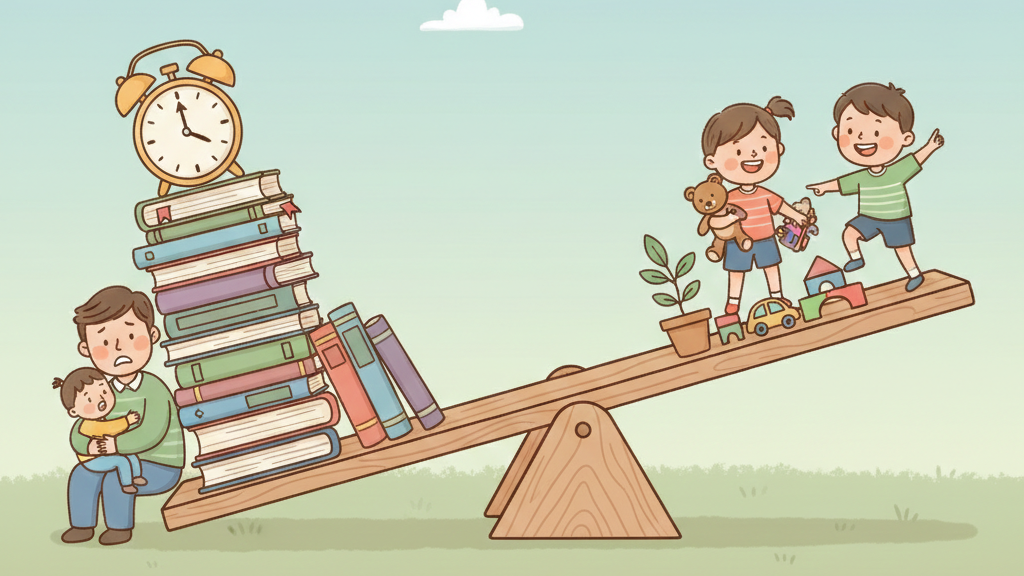
The reality is that there is no fixed amount of home learning that works for every child. Learning is not measured by hours or checklists. It grows through regular, meaningful experiences that fit naturally into family life. When parents focus on staying consistent with home learning instead of doing more, learning becomes easier to sustain and more enjoyable.
It can be tempting to believe that increasing the amount of structured learning will lead to better outcomes. In practice, however, too much structure can create fatigue and resistance, particularly for young children. Their attention spans are still developing, and they learn best when they feel relaxed and curious. Free play, conversation, and everyday experiences are all valuable forms of learning, even if they don’t look academic. Rather than relying on guesswork, it helps to look at a few clear indicators.
How to Tell If Learning at Home Is Enough
Instead of measuring learning by time or quantity, it is more useful to look at a few key signals.
A simple way to evaluate this is to observe three areas:
1. Engagement
Is the child generally willing to participate in learning activities? Occasional resistance is normal, but consistent avoidance may indicate that the approach needs adjustment.
2. Consistency
Learning does not need to happen for long periods, but it should happen regularly. Even short sessions become effective when you stay consistent with home learning.
3. Independence
Over time, children should begin to take small steps on their own, such as starting tasks or continuing without constant guidance. This is an early sign of developing learning independence.
If these three areas are present, learning is usually at a healthy level. If one or more are missing, it may be a sign to adjust your approach rather than increase the workload.
What “Enough” Looks Like in Daily Life
In daily life, “enough” often looks simpler than expected. It may be a short reading session, a conversation during a walk, or a few minutes of drawing or problem-solving. These small, repeated moments are more effective than long sessions that are difficult to maintain. Learning that fits naturally into the day tends to be remembered and enjoyed.
Parents can often assess whether learning is sufficient by observing patterns in behavior. Children who are learning at a healthy level are generally willing to engage, show curiosity at times, and do not consistently resist learning activities. Occasional reluctance is normal, but persistent avoidance is a signal that something needs to be adjusted.
There are also times when learning needs to be adjusted. If a child shows persistent frustration, avoidance, or stress, it may be a signal to slow down or change approach. Stepping back is not a failure. It is part of responding thoughtfully to a child’s needs. Flexibility helps preserve motivation and emotional well-being.
Over time, many families find that a simple home learning routine provides enough structure without becoming overwhelming. A predictable rhythm allows learning to happen regularly while leaving room for rest, play, and connection. This balance supports both development and family harmony.
What to Adjust If Learning Feels Too Little or Too Much
If learning feels insufficient, the solution is not always to add more time or more resources. Often, improving consistency or simplifying the approach is more effective.
If a child resists learning frequently, it may help to reduce pressure and reintroduce learning in smaller, more manageable steps.
If learning feels forced or exhausting, it is usually a sign that too much structure is being applied. In this case, stepping back slightly and allowing more flexibility can restore balance.
Over time, small adjustments are more effective than major changes. The goal is to find a level that can be maintained consistently.
Home learning is not about doing more. It is about creating a level of learning that is consistent, manageable, and responsive to your child’s needs.
When this balance is right, learning becomes a natural, consistent part of everyday life.
As this balance becomes more consistent, children gradually develop study habits that support long-term learning.
Recommended Next Step
If you want to better understand how to adjust your level of support without doing too much or too little, the next step is to learn how independence develops over time.