Many parents want to support their children’s learning at home but feel unsure where to start. A home learning routine does not need to be strict, expensive, or overwhelming. In fact, the most effective routines are often simple, flexible, and built around everyday family life.
In this article, you’ll learn how to create a simple, flexible home learning routine that fits naturally into daily family life; especially for young children, while keeping curiosity and enjoyment intact.
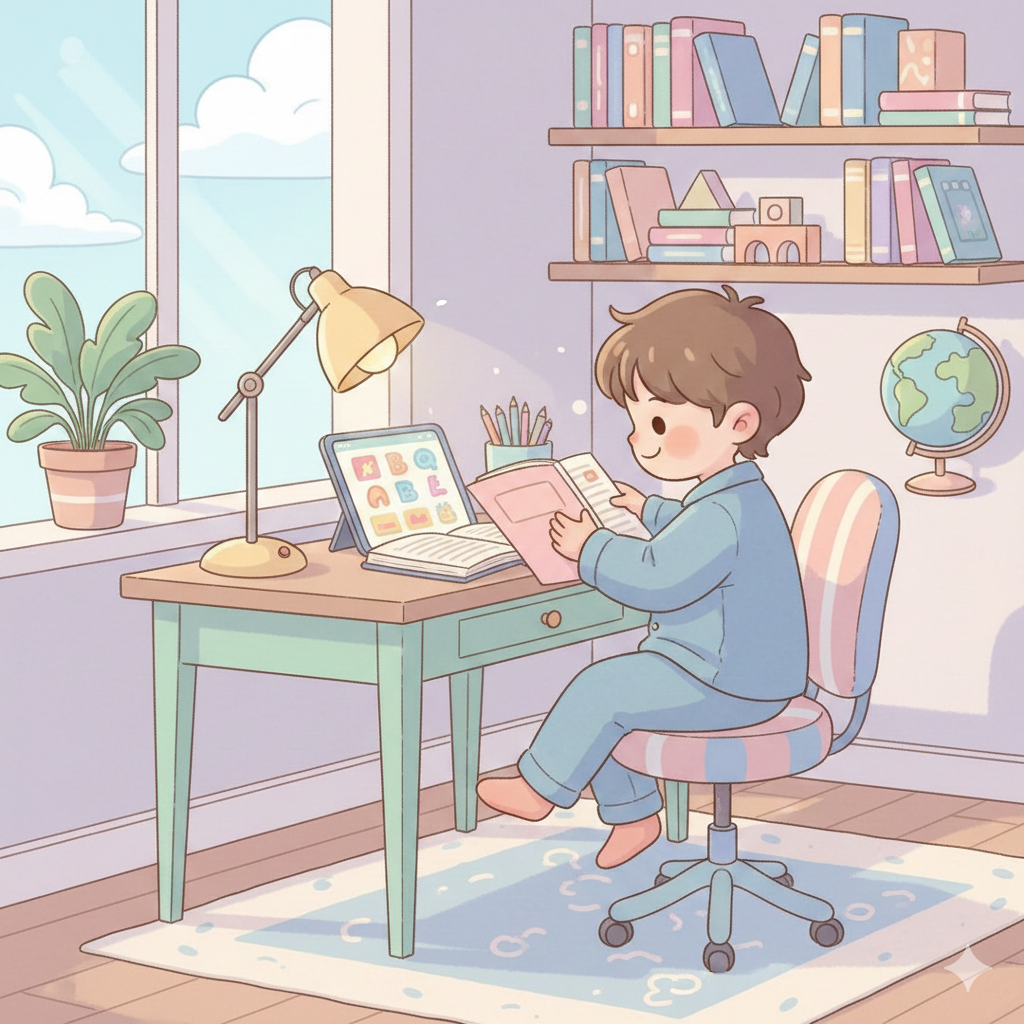
What a Home Learning Routine Is?
Many parents begin by exploring different home learning resources before creating a daily routine that works for their child.
A home learning routine is a gentle structure that helps children engage with learning regularly at home. It does not mean recreating a classroom or following a rigid timetable. Instead, it involves setting aside small, consistent moments during the day when learning happens naturally.
For young children, learning is closely tied to play, conversation, and daily activities. Reading a story together, counting objects during chores, or talking about nature during a walk can all be part of a home learning routine. The goal is consistency, not perfection.
Why Routine Matters for Children
Young children thrive on predictability. A simple routine helps them feel secure and confident, which directly supports learning.
Some key benefits include:
- Children know what to expect, reducing resistance and stress
- Learning becomes a normal part of daily life
- Attention and focus improve over time
- Children develop independence and responsibility
A routine also helps parents feel more organized and less pressured to “do everything at once.”
How to Design a Simple Daily Routine
When designing a routine, simplicity is essential. A few well-chosen activities done consistently are far more effective than a packed schedule.
Keep these principles in mind:
- Choose fixed times: One or two regular times per day is enough
- Keep sessions short: 15–30 minutes works well for young children
- Match activities to age: Focus on skills appropriate to your child’s stage
- Balance learning and play: Children learn best when activities feel engaging
- Use helpful home learning resources: Books, simple worksheets, and hands-on materials can support your routine without overwhelming it
Your routine should feel supportive, not stressful. Adjust it as your child grows or as family needs change.
Sample Home Learning Schedule (Flexible)
Below is an example of a simple routine that many families find manageable:
- Morning (15–20 minutes):
Reading together, letter recognition, or storytelling - Midday (15–30 minutes):
Hands-on activity such as drawing, building, counting objects, or simple experiments - Evening (10–15 minutes):
Reflection, discussion about the day, or listening to a short story
This structure allows learning to happen naturally without dominating the day.
Common Mistakes to Avoid
Parents often unintentionally make home learning harder than it needs to be. Common mistakes include:
- Trying to do too much too quickly
- Comparing progress with other children
- Being inconsistent with routines
- Expecting immediate results
- Turning learning into a source of pressure
Progress in young children is gradual. Consistency matters more than intensity.
Final Thoughts
A successful home learning routine is one that fits your family’s lifestyle and your child’s needs. Start small, stay flexible, and focus on building positive learning habits rather than perfect outcomes.
With time, even a simple routine can create a strong foundation for lifelong learning.