The transition to home learning is frequently met with initial optimism, followed by frustration if consistent habits are not established. Missed days, busy schedules, and low-energy moments can quickly create guilt and frustration. The truth is that consistency in home learning doesn’t mean doing everything perfectly or never taking breaks.
Consistency is about creating a gentle rhythm that fits your family’s life and adjusting when needed. When approached this way, home learning becomes more sustainable and less stressful.
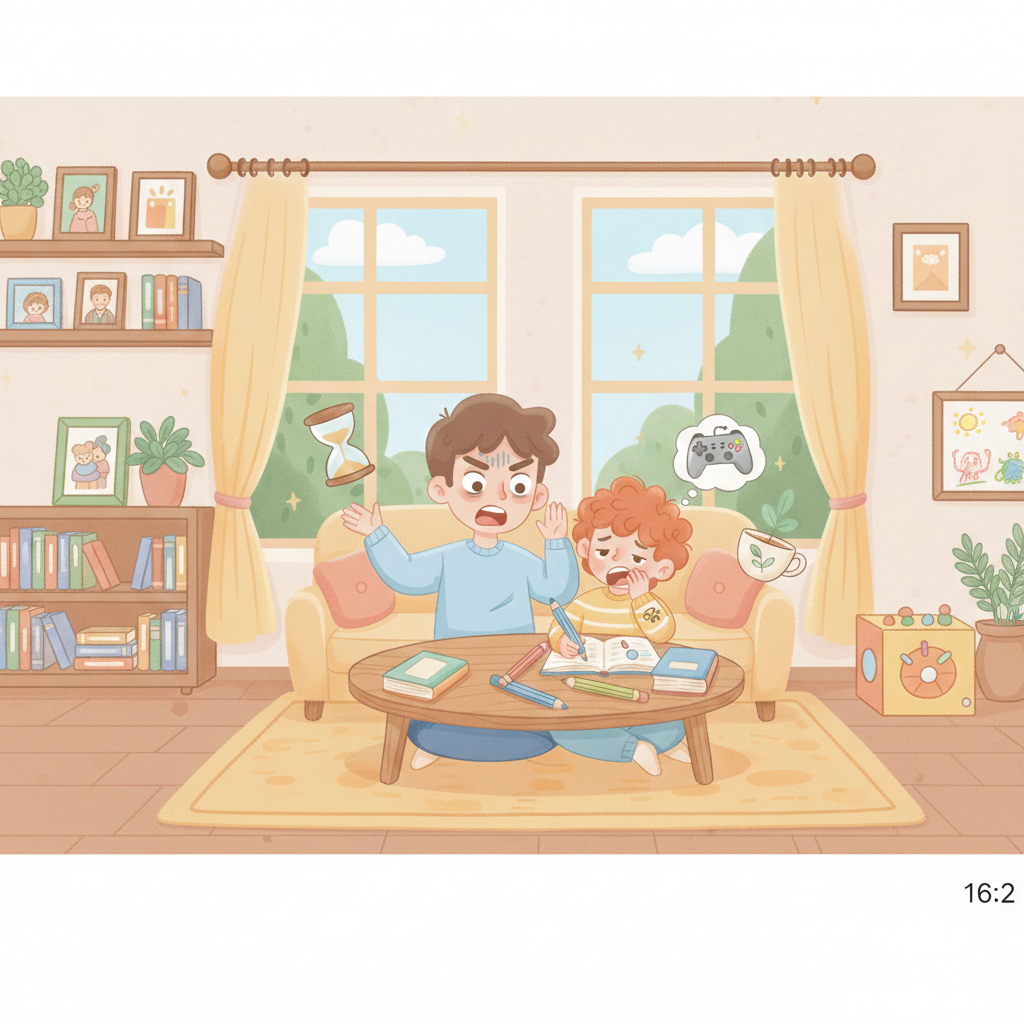
Why Consistency Matters (But Perfection Doesn’t)
Consistency helps children feel secure and builds familiarity with learning activities. When learning happens regularly, even in small ways, children begin to expect and engage with it more naturally.
However, perfection is not required. Trying to follow an ideal schedule without flexibility often leads to burnout. What matters most is returning to learning after interruptions, not avoiding interruptions altogether. For example, if learning usually happens in the morning but gets skipped for a few days, simply restarting the routine the next day is enough. There’s no need to make up for lost time.
Start With One Small Habit
One of the easiest ways to stay consistent is to attach learning to an activity you already do every day. This removes the need for extra planning and helps learning become part of your normal routine.
A simple home learning routine works best when it feels natural rather than forced. Starting small also makes it easier to maintain momentum over time. For example, reading one short book together before bedtime each night can become a dependable learning habit without adding pressure to the day.
Adjust When Life Gets Busy
Busy days, travel, or unexpected changes are part of family life. Instead of seeing these moments as setbacks, view them as opportunities to adjust expectations temporarily.
Reducing the length or intensity of learning during busy periods helps prevent burnout. Once things settle, you can return to your usual rhythm without guilt. For example, on hectic days, learning might simply mean talking about numbers while cooking or discussing a story during a car ride. These small moments still count.
Involving Your Child Helps
Children are more likely to participate consistently when they feel involved in the process. Giving them choices and listening to their preferences builds ownership and motivation.
Allowing flexibility within structure keeps learning engaging while maintaining a sense of routine. As an example, you might let your child choose between drawing, reading, or a simple activity each day. Having a choice increases enthusiasm and cooperation.
Final Thoughts
Staying consistent with home learning doesn’t require strict schedules or long sessions. It requires patience, flexibility, and a willingness to adapt as life changes.
By focusing on small habits, adjusting when needed, and involving your child, you can maintain a sustainable home learning rhythm without burnout. Over time, these gentle efforts add up to meaningful progress.