Learning independently does not mean that children should solve every problem alone.
An important part of becoming a more capable learner is recognising when independent effort is useful and when asking for help is necessary.
Some children ask for help immediately when they face difficulty. Others continue struggling for too long because they are afraid of making mistakes, do not want to appear incapable, or are unsure whether they are allowed to ask.
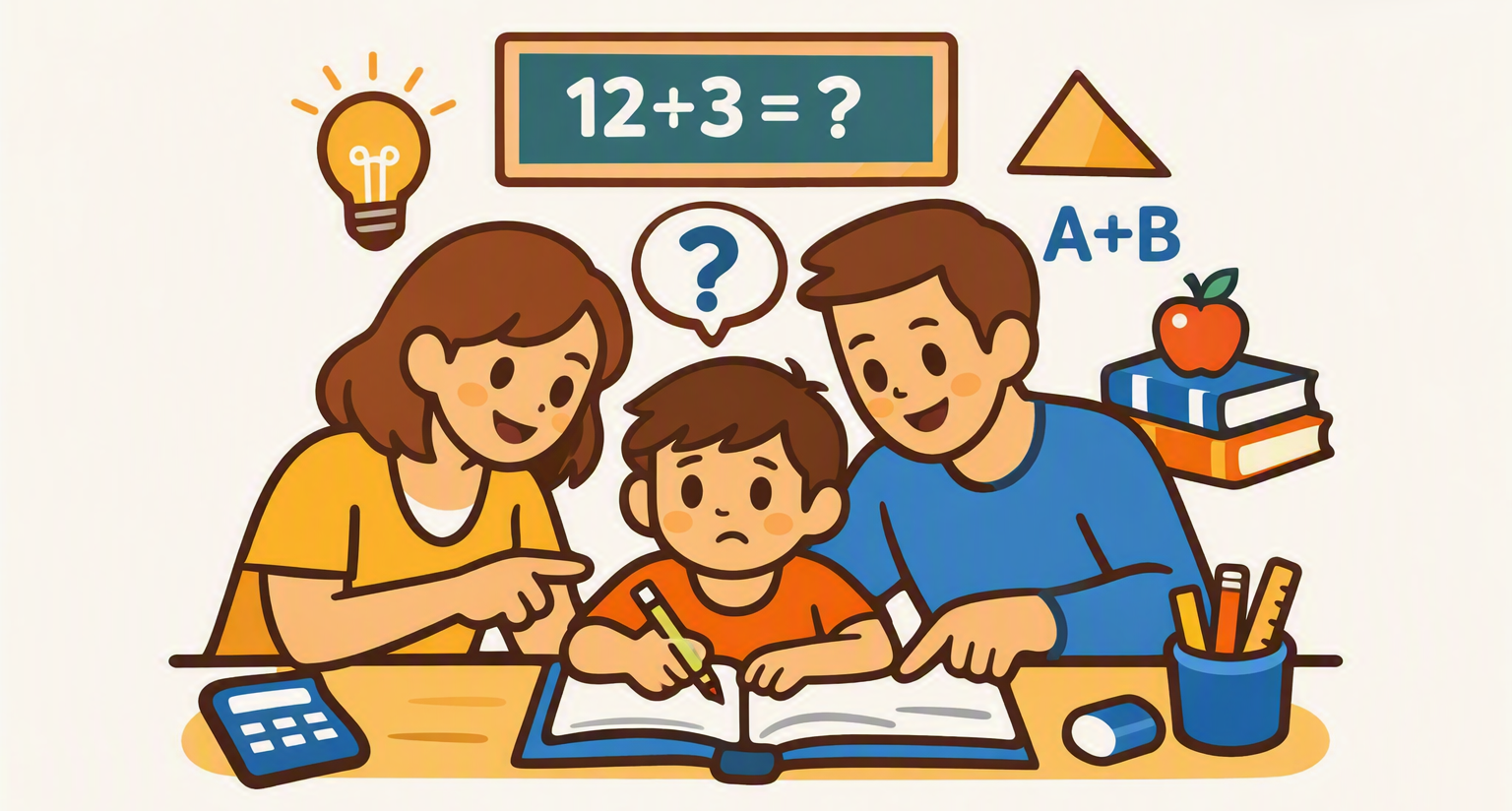
Over time, children can learn to make better decisions about when to continue trying and when to seek support.
The goal is not to encourage children to ask for help at the first sign of difficulty.
It is also not to expect them to struggle alone.
The goal is to help children recognise when they need help and learn how to ask for it in a useful way.
Why Knowing When to Ask for Help Is a Learning Skill
Children do not automatically know when they have reached the point where help is needed.
A child may experience difficulty and immediately say:
“I can’t do it.”
Another child may continue repeating the same unsuccessful approach without asking anyone for support.
Both situations can make learning more difficult.
Asking for help effectively requires children to recognise:
- what they are trying to do
- what part they understand
- where the difficulty begins
- what they have already tried
- whether they can reasonably continue independently
This makes appropriate help-seeking an important part of learning independence.
A child who can recognise genuine confusion is often better prepared to take responsibility for the next step.
The Difference Between Difficulty and Being Stuck
Not every difficult task requires immediate help.
Some difficulty is a normal part of learning.
Children often need time to think, practise, make mistakes, and try different approaches before understanding something new.
However, there is a difference between working through difficulty and remaining stuck without progress.
A child may need help when they:
- do not understand what the instructions mean
- have tried the same approach repeatedly without success
- cannot identify the next step
- are becoming increasingly confused
- have forgotten an important piece of information
- are unable to explain what the task requires
Recognising this difference takes practice.
Parents and teachers can gradually help children understand that difficulty does not always mean they should stop, but continued confusion may sometimes mean that another explanation or small amount of guidance is needed.
How Children Can Learn to Try Independently First
Before asking for help, children can learn to take a few simple steps independently.
For example, they might:
- Read the instructions again.
- Look at an example.
- Review what they already know.
- Try one possible approach.
- Check whether they understand the next step.
These actions do not mean that children must solve every problem alone.
They simply give the child an opportunity to think before immediately depending on another person.
Learning to try independently is an important part of developing confidence.
Children gradually discover that some problems which initially appear difficult can be managed with additional thinking or by reviewing what they already know.
However, if these attempts do not help, continuing without progress may not be productive.
That is when asking for support becomes appropriate.
Helping Children Recognise Genuine Confusion
Children sometimes know that something is wrong but cannot explain exactly what they do not understand.
Instead, they may simply say:
“I don’t get it.”
This is a useful starting point, but children can gradually learn to become more specific.
Parents might encourage them to think about questions such as:
- What part do I understand?
- Where did I become confused?
- What was I trying to do when I got stuck?
- What have I already tried?
- What is the next part I cannot figure out?
These questions help children identify the source of the difficulty.
Over time, they may become better able to explain what they need instead of simply asking someone else to take over the task.
This connects closely with self-monitoring skills, because children need to notice what is happening in their learning before deciding what action to take.
How to Teach Children to Ask More Useful Questions
Asking for help becomes more effective when children can explain the difficulty.
Instead of saying:
“Help me.”
they can gradually learn to say:
“I understand the first part, but I don’t know what to do next.”
Or:
“I tried solving it this way, but my answer does not seem right.”
Or:
“I don’t understand what this instruction is asking me to do.”
These questions give the parent or teacher a clearer understanding of the problem.
They also encourage the child to remain involved in solving it.
The purpose of asking for help should not be to hand responsibility for the entire task to someone else.
It should help the child gain enough understanding to continue learning independently.
Children who feel comfortable asking questions are also more likely to seek clarification when they genuinely need it. You may find it helpful to read How to Encourage Children to Ask Questions Without Fear.
How Parents Can Respond When a Child Asks for Help
When a child asks for help, it is tempting to immediately provide the answer.
However, giving the complete solution may not always help the child develop the ability to think independently.
A more useful response may involve helping the child identify the next step.
For example:
- “Show me what you have tried so far.”
- “Which part is confusing?”
- “What do you think the first step might be?”
- “Let’s look at the instructions together.”
This approach does not mean refusing help.
It means providing enough support for the child to continue rather than taking complete control of the task.
The level of support can then gradually decrease as the child becomes more capable.
When Children Ask for Help Too Quickly
Some children develop the habit of asking for help before giving themselves enough time to think.
This can happen when adults regularly provide answers immediately.
Children may gradually learn that asking someone else is faster than attempting the task independently.
Parents can encourage a brief period of independent thinking before stepping in.
For example:
“Take a moment to read the question again and see what you think. If you are still unsure, we can look at it together.”
The purpose is not to delay help unnecessarily.
It is to give the child an opportunity to practise thinking independently.
If the child remains genuinely confused, support should still be available.
When Children Wait Too Long to Ask for Help
The opposite problem can also occur.
Some children continue struggling even when they clearly need assistance.
They may worry that asking for help means they have failed.
Others may be afraid of making mistakes or disappointing an adult.
Children need to understand that asking for clarification is not a sign of weakness.
Sometimes the most productive decision is recognising that another explanation is needed.
A child who has spent a long time repeating the same unsuccessful approach may benefit more from a small amount of guidance than from continuing to struggle.
The aim is to help children develop better judgement about when persistence is useful and when support is necessary.
Common Mistakes Parents Should Avoid
Expecting Children to Always Work Alone
Independence does not mean never asking for help.
Children still need guidance while learning new skills.
The amount of support should gradually change as their understanding develops.
Providing the Answer Immediately
Giving answers too quickly can prevent children from practising independent thinking.
When appropriate, give the child an opportunity to explain what they have already tried first.
Making Children Feel Bad for Asking
Comments that make children feel embarrassed about needing help can discourage them from asking important questions in the future.
Children should understand that confusion is a normal part of learning.
Leaving Children Struggling for Too Long
Persistence is valuable, but prolonged confusion without progress can lead to frustration.
Parents should help children distinguish between productive effort and being genuinely stuck.
Signs Your Child Is Developing Better Help-Seeking Skills
Over time, you may notice that your child:
- tries simple strategies before immediately asking for help
- recognises when they are becoming genuinely confused
- explains more clearly what they do not understand
- asks more specific questions
- accepts guidance and then returns to the task
- becomes less dependent on adults to complete difficult work
These changes usually develop gradually.
The goal is not to make children completely independent immediately.
It is to help them make increasingly thoughtful decisions about when to continue independently and when to seek support.
Conclusion
Knowing when to ask for help is an important part of becoming an independent learner.
Children need opportunities to think through difficulties on their own, but they also need to recognise when continued struggle is no longer helping them move forward.
Parents can support this development by encouraging children to try independently, helping them identify the specific source of confusion, and responding with guidance rather than immediately taking over.
Over time, children can learn an important balance:
Try independently. Recognise genuine difficulty. Ask for appropriate help. Then continue learning.
This balance helps children develop greater confidence and responsibility while still understanding that seeking support is a normal and useful part of learning.
Learning when to ask for help also supports the broader process of becoming an independent learner, because genuine independence includes knowing when support is needed rather than trying to manage every difficulty alone.